

Introduction
The world of work is changing faster than ever. Traditional 9-to-5 jobs are no longer the only career option. Freelancing has grown into a powerful force in the global workforce, and digital marketing is at the center of this transformation. From small businesses to large enterprises, companies are increasingly turning to skilled freelancers who can help them thrive in the online world.In fact, digital marketing has shifted from being a “nice-to-have” add-on to a mission-critical business function. A Deloitte survey in 2023 revealed that organizations using freelance marketers achieved their goals 40% faster compared to those relying solely on in-house teams. Clearly, the demand for digital marketing freelancers is only going to rise.
What is Freelance Digital Marketing?
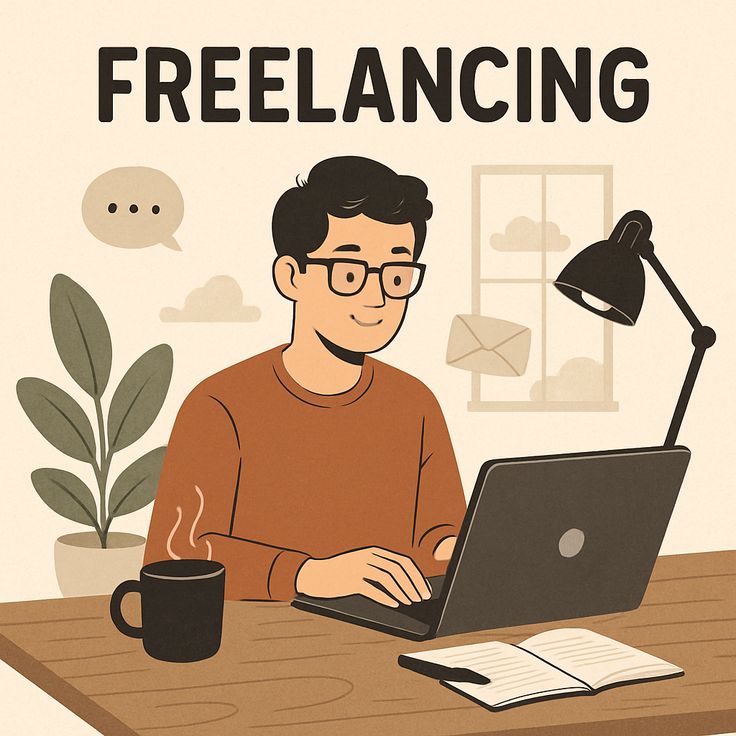
Freelance digital marketing simply means offering your marketing expertise to clients on a project or contract basis, rather than working as a full-time employee. As a freelancer, you choose your clients, define your services, and control your workload.
The scope is broad and covers a wide range of services, such as:
- Search Engine Optimization (SEO): Improving websites to rank higher on Google and attract organic traffic.
- Content Marketing: Writing blogs, articles, social media posts, videos, and whitepapers to build brand awareness.
- Social Media Management: Creating strategies for platforms like Instagram, LinkedIn, and Facebook to drive engagement.
- Email Marketing: Crafting personalized campaigns to nurture leads and convert them into customers.
- Paid Ads (PPC): Managing ad campaigns on Google Ads, Meta Ads, and other platforms.
- Analytics & Reporting: Using tools like Google Analytics to track performance and guide strategy.
- Conversion Rate Optimization (CRO): Making small tweaks to websites that boost sales and sign-ups.
- Copywriting: Writing compelling copy for websites, ads, and landing pages.
- AI & Automation: Setting up tools to automate marketing workflows and reduce costs.
While freelancing offers freedom and the potential for high income, it also comes with challenges—like inconsistent earnings, self-discipline, and the need to constantly market yourself.
Key Strategies to Succeed as a Freelance Digital Marketer

Thriving in this space requires more than just knowing how to run ads or write blogs. You need a strong personal brand, the ability to sell yourself, and consistent effort. Let’s look at some proven strategies:
1. Build a Strong Online Presence
- Create a Portfolio Website: Your website is your digital business card. Keep it professional, mobile-friendly, and SEO-optimized with the right keywords.
- Use Social Media Wisely: Share tips, insights, and your work on platforms like LinkedIn, Instagram, or Twitter. This shows your expertise and attracts clients.
- Leverage Freelance Marketplaces: Sites like Fiverr, Upwork, and Freelancer can help you get started. But remember, competition is tough—stand out with strong profiles and testimonials.
2. Network and Grow Relationships
- Attend Industry Events: Conferences, webinars, and workshops are great places to connect with potential clients.
- Join Professional Groups: Communities on LinkedIn, Slack, Reddit, or Quora allow you to build credibility and find opportunities.
- Word of Mouth: Sometimes your first clients may come through friends, family, or old colleagues—never underestimate networking.
3. Invest in Content Marketing
- Start Your Own Blog: Share tutorials, insights, and case studies. Not only does this boost SEO, but it also positions you as an expert.
- Guest Posts: Writing for established websites gives you exposure and credibility.
- Free Resources: Offering checklists, e-books, or mini-guides helps you build an email list for future leads.
4. Strengthen Your Personal Brand
- Define Your USP: Be clear on what makes you different. Do you specialize in small business SEO? Or Instagram growth?
- Consistency Matters: Use the same colors, tone, and design across your website, socials, and presentations.
- Collect Testimonials: Social proof is gold—ask happy clients to leave reviews and showcase them prominently.
5. Use Email Marketing to Your Advantage
- Build an Email List: Add signup forms to your site and offer free resources in exchange for email addresses.
- Personalize Campaigns: Tailor your content for different audience segments. Personalized emails get more engagement.
- Regular Updates: Send newsletters with marketing tips, case studies, or industry updates to keep your name fresh in clients’ minds.
6. Master Lead Generation & Sales
- Show Your Process: Break down case studies or explain your strategies in public posts—this attracts curious potential clients.
- Leverage Networks: Ask your contacts for referrals or collaborate with other freelancers.
- Cold Outreach: Email or DM potential clients with a clear value proposition. A mini audit of their website or social media often works well.
- Referrals: Overdeliver on projects so your current clients recommend you to others.
7. Learn by Doing & Build a Portfolio
- Practice with Real Projects: Apply what you learn by running ads for a friend’s business or optimizing your own blog.
- Showcase Work Creatively: Use platforms like Notion, Behance, or Framer to display your case studies with before-and-after results.
- Focus on Results: Clients care about outcomes—highlight numbers (traffic growth, sales conversions) instead of just tasks done.
8. Specialize and Keep Learning
- Choose a Niche: Specialization makes you more valuable. For example, becoming “the go-to Facebook Ads expert for gyms” can help you stand out.
- Get Certified: Courses from Google, HubSpot, or Facebook add credibility to your profile.
- Stay Updated: Follow blogs, podcasts, and industry leaders. The digital world changes fast—you need to stay ahead.
Running Your Freelance Business Professionally

Being a good marketer isn’t enough—you also need to run your freelance business like a pro.
- Set Up Systems: Choose a business model (hourly, project, or retainer) and be clear about your pricing.
- Use Contracts: Protect yourself and your client with clear agreements.
- Manage Time Well: Tools like Trello, Asana, or Notion help you organize projects and avoid burnout.
- Track Finances: Use spreadsheets or tools like QuickBooks to manage invoices, expenses, and taxes.
- Document Processes: Standardize workflows so you can deliver faster and eventually scale.
- Think About Delegation: As you grow, outsourcing certain tasks allows you to focus on higher-value work and even transition into building your own agency.
The Freelance Journey: A Path, Not a Destination
Many freelancers discover that freelancing is not the final step but a gateway. Over time, you can transition into running your own agency, offering services through a team rather than doing everything solo. This provides scalability and opens doors to larger projects.
The journey is not always smooth—you’ll face ups and downs—but consistency, persistence, and the ability to deliver results will set you apart.
Conclusion
Freelance digital marketing is one of the most exciting career paths today. It combines the freedom of self-employment with the potential for meaningful income and growth. While challenges like irregular income and self-discipline exist, the opportunities far outweigh them.